The COVID-19 pandemic-era, more people has now shifted to remote work that has revolutionized the way we live and work, this has also rewired the invisible networks that power our professional life. In this project, I chose the module network to explore how remote work has reshaped the way we connect, share knowledge, and grow professionally
To explain this shift, I took two types of professional networks: one for in-person office interactions, and the other one is by remote work. Let’s look at in the office (on site), individuals had a higher number of casual, unplanned connections which brought types of encounters that often lead to knowledge sharing and mentorship. In contrast, to the remote work (off-site) network was more siloed, with interactions largely limited to formal team structures or even to scheduled meetings.
Using Google Search, I came across an image of a calculated network centrality and clustering. In-office networks(on-site) showed higher overall connectedness and more cross-team clustering, indicating a healthier exchange of information. While the Remote networks(off-site), does show still functional, longer average path lengths and fewer bridging connections between teams which potentially leading to slower innovation and feelings of isolation.
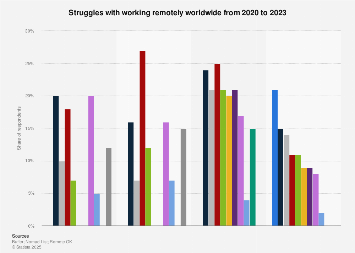
These results suggest that while remote work has many benefits, it may also reduce opportunities for different collaborations and may even hinder career advancement for less-connected workers. Many businesses can address this by intentionally designing digital spaces that mimic the connective tissue of physical offices.
This assignment process taught me how digital design and data visualization can turn concepts into impactful stories, yet how coding is used in digital technology as I had no idea being that I am not a technician nor have I looked at how the digital world is expanding.
TO learn more about networking data on where in office working vs remote working statistics vist